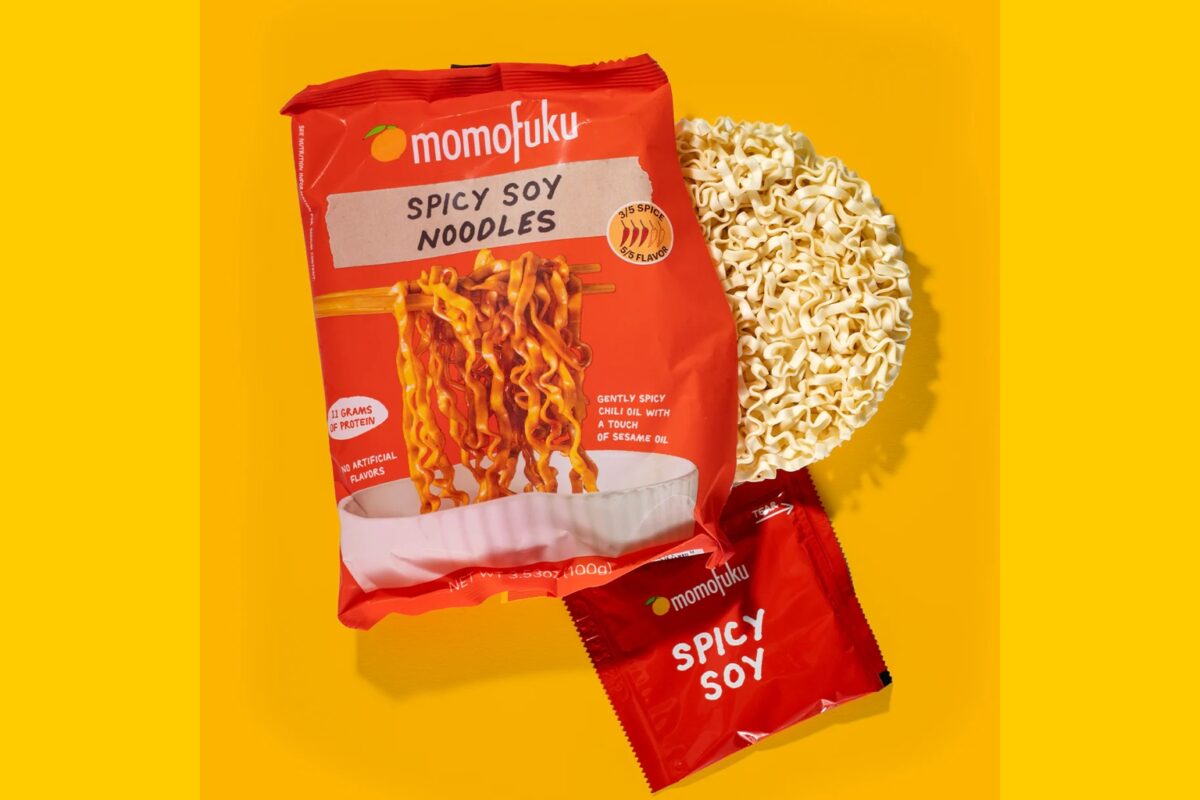

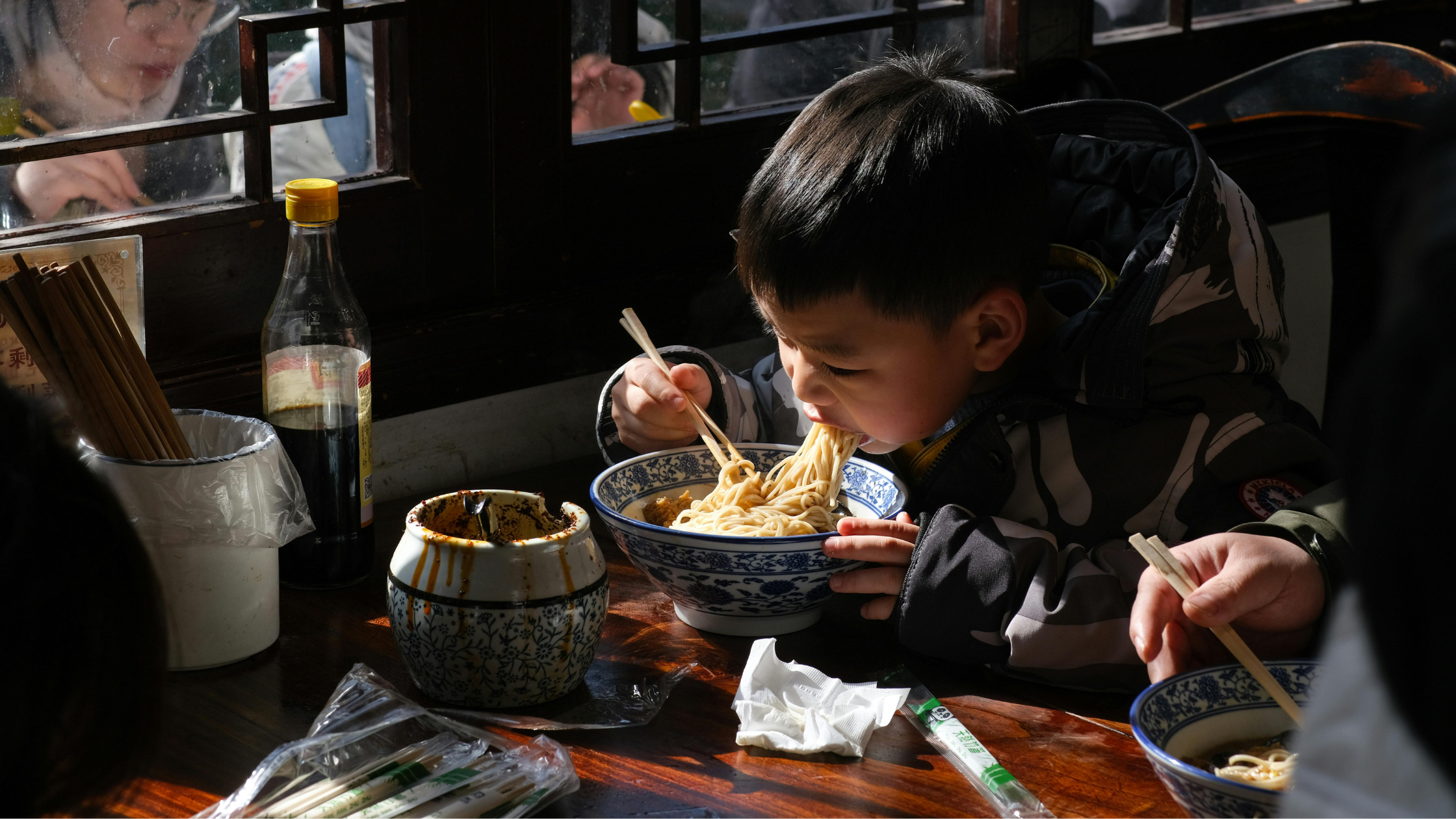
We’ve all had our own lazy, tired, and broke moments, and then you spot it: that trusty pack of ramen. Three minutes later, you’re slurping your way into warm, salty noodle bliss. It really is the world’s go-to comfort meal.
As you slurp down that warm and salty noodles have you ever thought of its backstory? Have you ever thought it has a backstory wilder than some movies? It’s crossed oceans, saved hungry students, and sparked food revolutions. Fasten your seatbelts because this isn’t just some food history blog. Today we will breakdown how a simple bowl became a global superstar and made it’s way to your pantry.
The Starting point
Here’s a plot twist: ramen isn’t originally from Japan. Its great-great-grandparent is from China! Centuries ago, Chinese cooks mastered lamian – a magical, hand-pulled wheat noodles. These noodles eventually wandered over to Japan.
In the late 1800s, Chinese immigrants in Japanese port cities started selling shina soba, or “Chinese soba.” It was a simple, tasty bowl of noodles in broth. Japanese cooks tried it, loved it, and thought of making it in their own way. And just like that, the remix began.
Japan adopted it.
Fast forward to the 1900s. Ramen was already gaining popularity, but two big things happened and pushed it into the spotlight.
- After World War II, times were tough in Japan. Food was scarce. Then, the U.S. sent loads of cheap wheat flour. Suddenly, ramen—cheap, hot, and filling—was the hero of the hour. Street carts (yatai) were selling it everywhere.
- As ramen spread all over Japan, each city put its own spin on it like a noodle superhero with different powers.
- Sapporo: Freezing winters? No problem. They invented miso ramen – a thick, hearty broth to warm you up.
- Hakata: They went all in on tonkotsu ramen, boiling pork bones for hours until the broth turned creamy white and incredibly rich.
- Tokyo: They kept it classic with shoyu ramen, a clear, soy-sauce broth that’s simple but deep in flavor.
By the 1950s, Japan had fully adopted ramen. It was no longer a visitor. It was family.
Birth of Instant Ramen
Enter Momofuku Ando, a man with a big idea. In 1958, he looked at hungry people and thought, “What if noodles could cook in minutes and last forever?” After a lot of trial and error (legend says in his backyard shed!), he did it. He invented Chikin Ramen, the world’s first instant noodle. His secret? Flash-frying the noodles so you just add hot water.
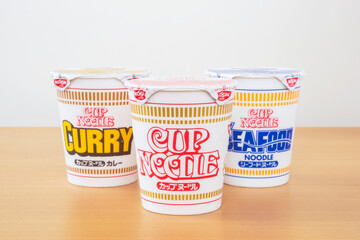
But he wasn’t done. In 1971, he had another brainwave: Cup Noodles. No pot, no bowl, no chopsticks needed. It was the ultimate lazy (or genius?) meal. This wasn’t just food; it was a revolution in a foam cup. Ramen was now ready to travel the world.
Ramen becomes a hit
Instant ramen went global first. It became the go to meal for college students, busy parents, and anyone counting pennies. But a funny thing happened in the 80s and 90s. People eating the instant stuff started wondering, “What does the real ramen taste like?”
Thanks to movies, anime, and travel, the world got obsessed with finding the authentic bowl. Expert ramen shops started popping up in big cities everywhere. Chefs trained for years in Japan to learn the craft. Ramen had leveled up from a cheap snack to a meal you’d wait in line for.
Ramen Today
Today, ramen is whatever you want it to be.
- It’s Pop Culture: It has museums, cameos in cartoons, and fan clubs.
- It’s Gourmet: Fancy shops serve broth simmered for days, with custom noodles and perfect eggs.
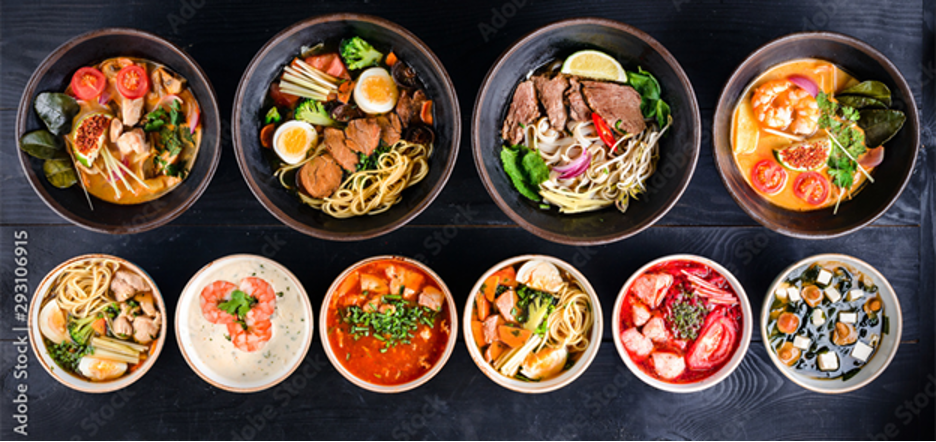
- It’s a Mash-Up: The rules are gone. Now you can find ramen that tastes like Korean stew, vegan ramen with “fake” bone broth, or spicy ramen loaded with everything. It’s a global playground in a bowl.
The Last Slurp
So next time you tear open that packet or sit down at a ramen bar, think about the wild ride. From ancient Chinese kitchens to post-war Japan, from a man’s backyard shed to your microwave, this bowl has been everywhere.
It’s a story of change, clever ideas, and the simple need for something good to eat. And the coolest part? You’re now part of the story.
Let’s chat! What’s YOUR ramen style? Are you a loyalist to the original chicken flavor packet, or do you hunt down the best tonkotsu in town? Share your noodle tales below
Sources & Further Reading
This post was compiled using information from the following reputable sources. Dive deeper if you’re hungry for more!
- George Solt’s The Untold History of Ramen: The definitive academic text in English on ramen’s socio-political history in Japan. Essential for understanding its post-war rise.
- Momofuku Ando’s Invention Story – Nissin Global:
- The official history from Nissin Foods, founded by Momofuku Ando, detailing the creation of Chikin Ramen and Cup Noodles.
- Nissin Global – History
- Ramen: Japan’s Iconic Noodle Soup – BBC Travel:
- A great overview of ramen’s journey from China to Japan and its regional varieties.
- BBC Travel – Ramen Article
- The History of Ramen in Japan – NHK World:
- A reliable public media source covering the cultural history and evolution of ramen.
- NHK World – Japan History (Search for ramen-related documentaries and features).
- The Oxford Companion to Food: For authoritative background on the Chinese noodle origins (lamian) and culinary context.
- Davidson, Alan. The Oxford Companion to Food. Oxford University Press.