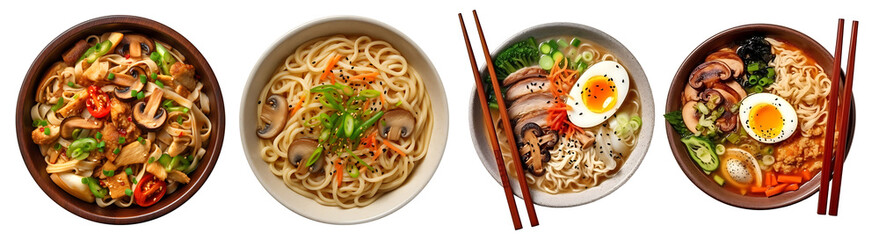
Ramen is way more than just noodles chilling in broth. That flavor that sticks with you? It usually comes from something called *tare* (タレ). Think of it as the soul of the bowl. Tare is what gives each ramen bowl its own vibe. It’s a super strong, flavorful liquid added before broth and noodles. Mastering tare? That’s your key to knowing ramen styles and flavors.
The Tare Lineup
Here are a few common types you’ll find.
1. Shoyu Tare (Soy Sauce Tare)
What it tastes like: Salty, savory, and full of umami. You might catch a bit of sweetness.
What it is: It’s the classic taste. The backbone of Tokyo-style ramen and loves to hang out with chicken or seafood broths. The soy sauce is often aged or mixed with tasty things like mirin, sake, and dried fish.
2. Shio Tare (Salt Tare)
What it tastes like: Clean and salty in a direct way. Imagine if it were beefed up with kombu (kelp), dried seafood, or herbs to give it a gentle smell.
What it is: Think of it as minimalist. Shio tare is there to lift the flavor of the broth, not bury it. It’s pals with light, clear broths.
3. Miso Tare
What it tastes like: A party in your mouth with soybean paste. Ranges from mellow white miso to bold red miso.
What it is: This is your hearty, comforting friend. It’s often paired with rich broths like tonkotsu (pork bone) or chicken paitan. The best for eating when it’s cold outside.
4. Special Tares
What it tastes like: Basically, a playground for cooks to test new stuff. Chefs mix the main tares or toss in fish sauce, smoked salts, fruit wines, or fragrant oils.
What it is: The thing that makes a specific ramen shop stand out. Think of it as a chef’s signature, offering something special.
How Tare Does What It Does
1. Concentrated Explosion: Tare isn’t messing around. It’s super potent. A tiny bit goes a long way—one or two spoonfuls seasons a whole bowl of broth.
2. The Balance Act: Tare and broth should complement each other. Strong broth? Maybe a lighter tare makes sense.
3. Layering Flavors: The tare goes into the empty bowl first. When the hot broth hits it, boom! Instant flavor that coats every noodle.
In Conclusion: It’s the Key
Forget just broth. Start with tare! It’s the flavor foundation that makes a ramen bowl sing and shows off what the cook is trying to create.
Next time you’re slurping, take a sec after the first taste. What kind of tare is doing its thing? Shoyu’s depth? Shio’s clear flavor? Miso’s earthiness? Spotting that one ingredient upgrades your ramen experience.
So, what’s your go-to tare? Shoyu, Shio, or Miso? Let’s hear it!
Primary & Authoritative Sources on Ramen & Tare:
- “Ramen: Japanese Noodles & Small Dishes” by Tove Nilsson: A cookbook that breaks down ramen components clearly, dedicating sections to explaining the role and types of tare (shoyu, shio, miso) as the foundational seasoning.
- “The Book of Ramen: The Ultimate Guide to Japan’s Favorite Noodle Soup” by Hugh Amano & Sarah Becan (Illustrator): This graphic-novel style guide is both accessible and authoritative, explicitly detailing how tare functions as the “seasoning base” added first to the bowl and defining the main ramen categories by their tare.
- “Ivan Ramen” by Ivan Orkin: A seminal book from a celebrated chef who brought Tokyo-style ramen to global fame. Orkin delves deeply into his philosophy and recipes for making tare, emphasizing its critical role as a concentrated flavor base and showcasing modern creativity.
Reputable Culinary Websites & Guides:
- Serious Eats – “The Food Lab” & “Ramen Guide”:
- Articles by J. Kenji López-Alt and others systematically deconstruct ramen. They explicitly define tare as the “seasoning paste” or “base” that determines the soup’s primary flavor profile (salty/savory vs. miso), distinct from the broth itself.
- Example: “What is the Difference Between Shoyu, Shio, and Miso Ramen?”
- Just One Cookbook (by Namiko Hirasawa Chen): A highly trusted resource for Japanese home cooking. Her ramen recipes and guides clearly state that tare is added to the bowl first and provide traditional recipes for Shoyu Tare, Shio Tare, and Miso Tare.
- No Recipes (by Marc Matsumoto): Focuses on the techniques and science behind cooking. His ramen content explains tare as the “flavor foundation” and details how its concentration allows chefs to balance different broth types.