

By Candace Santiago
My obsession started in college, fueled by late-night K-dramas. Every time the characters slurped a steaming bowl, I’d end up in our kitchen, boiling water for my own sad little instant pack. It was magic in a polystyrene cup—warm, salty, and deeply comforting.
After I graduated and got my first real job, ramen became something else. It turned into our go-to payday celebration. Rainy afternoons, tough workdays, or just because—any excuse was good enough to duck into a ramen shop with colleagues. It was our bowl of warmth and connection.
Then, one day we went on a Ramen house, I hit a wall. The menu was a list of words I didn’t understand: Tonkotsu. Shio. Shoyu. Miso. I realized I didn’t know ramen at all. I just knew I loved it.
If you’ve ever looked at a ramen menu and felt totally lost, I’ve been there. Let’s break it down together, the way I wish someone had for me.
The Big Four: Your Ramen Starter Kit
They say there are four main styles of ramen. Think of these as the foundation everything else is built on.
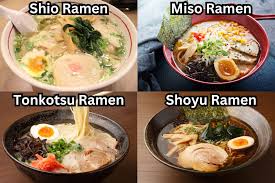
1. Shoyu (Soy Sauce)
This is your classic Tokyo-style ramen. The broth is usually clear and brownish, made from chicken or seafood and seasoned with soy sauce. It’s savory and aromatic, but not too heavy—a really well-balanced bowl you can finish without feeling like you need a nap. It normally comes with wavy, medium-thin noodles.
2. Miso
Hello, Sapporo! This is the hearty one, born in the snowy north of Japan. The broth is richer, cloudier, and has this amazing nutty, fermented depth from miso paste. They often cook the veggies and meat right in the wok with the miso before adding broth, which gives it a fantastic caramelized flavor. It’s the ultimate comfort food, served with thicker, chewy noodles that hold up to the robust soup.
3. Tonkotsu (Pork Bone)
Meet the heavyweight champion. Originating from Fukuoka, this broth is made by boiling pork bones for hours until it turns creamy, white, and packed with collagen. It’s rich, luxurious, and intensely savory. You’ll usually get thin, straight noodles with it, plus toppings like soft braised pork, a runny seasoned egg, and maybe a swirl of black garlic oil. It’s a full-on flavor experience.
4. Shio (Salt)
The most delicate of the bunch. Shio ramen has a clear, light, golden broth seasoned primarily with salt. It sounds simple, but that’s the trick—it requires real skill to make a broth that’s so clean and flavorful without hiding behind heaviness. You really taste the essence of the ingredients, whether it’s chicken, fish, or seaweed. It’s refreshing and elegant, often topped with bright things like yuzu or pickled plum.
Go Forth and Slurp
So, the next time you’re staring at a menu, you’ll know the basics. Craving something rich and creamy? Go Tonkotsu. Need hearty comfort? Miso is your friend. Want the classic? That’s Shoyu. In the mood for something light and refined? Try Shio.
The best part? This is just the beginning. There are countless regional variations and chef specialties waiting for you. But now, you’ve got a map. Go find your new favorite bowl.
Disclosure: This post may contain affiliate links. As an Amazon Associate, this page earns from qualifying purchases. If a purchase is made through these links, a small commission may be earned at no extra cost. Ingredients and products featured here are selected because they complement the recipe or dish highlighted in the post.

Reference/s:
https://www.yamachanramen.com/ramen-blog/four-pillars-of-ramen