
So I’m sitting at this ramen shop near my apartment. Nothing fancy. Plastic curtains, vending machine tickets, the whole thing. And I take a bite and just stop. Because the noodles have this thing to them. This springy resistance I’d never felt before. And I remember thinking—wait, is this not just… soup?
Turns out, no. It’s not.
What actually makes ramen different from chicken noodle soup? Everyone talks about broth. But honestly? It’s the noodles. Regular pasta uses eggs or water. Ramen uses this weird alkaline ingredient—specifically kansui (かん水)—that changes the whole game.
Origins and Evolution
This goes back to Inner Mongolia apparently. Cooks there used water from alkaline lakes with wheat flour. No clue why it worked, just knew it did. The technique eventually made its way through China, then traders brought it to Yokohama. Japan took those noodles and kept messing with them until ramen became its own thing.

What Is Kansui? The Key Ingredient Explained
Here’s the thing about alkaline noodles—they don’t work without kansui (かん水). It’s this alkaline mineral solution, a mix of potassium carbonate and sodium carbonate. Sometimes there’s sodium bicarbonate in there too, plus phosphates and calcium salts to help with texture and color. Kind of sounds like a science experiment, but it’s basically the soul of ramen. No kansui? You’re eating spaghetti in broth. I’m not being dramatic. That’s just how it is.
The Chemical Reaction: Three Defining Characteristics
1. The Signature Yellow Hue
No eggs in sight. The alkalinity just… pulls color out of the flour. I spent years thinking my homemade pasta was supposed to turn yellow. Never happened. Now I know why.
2. The “Bouncy” Texture
It does something to gluten bonds. Raises the pH and tightens everything up. Makes them stronger. That snap when you bite down? That’s not technique. That’s potassium carbonate and sodium carbonate doing their jobs.
3. The Fragrant Aroma
Okay this sounds weird but—it smells kind of earthy? Like if bread and minerals had a thing. You smell it before you taste it.
How Ramen Noodles Differ from Udon and Soba
If you want to sound like you know what you’re talking about at a noodle shop:
Ramen vs. Udon
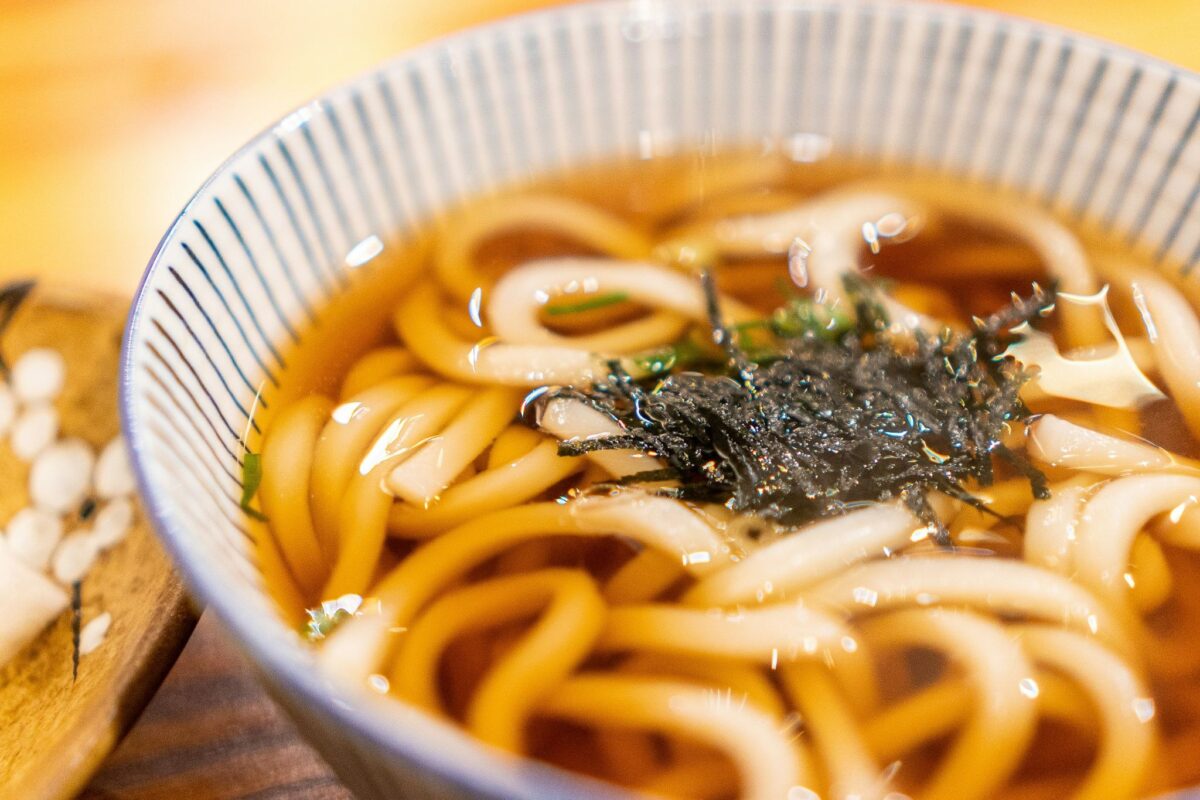
Photo by Winston Chen via Unsplash (Udon)
Look, udon is fine. It’s thick and soft and white and kinda just… there. No alkaline salts, so the gluten develops differently. Tastes like nothing much, which is the point I guess—it’s a vehicle for broth. Ramen’s different. It’s thinner, that yellow color, and it actually pushes back when you bite it. That bounce isn’t just marketing. You can feel it.
Ramen vs. Soba
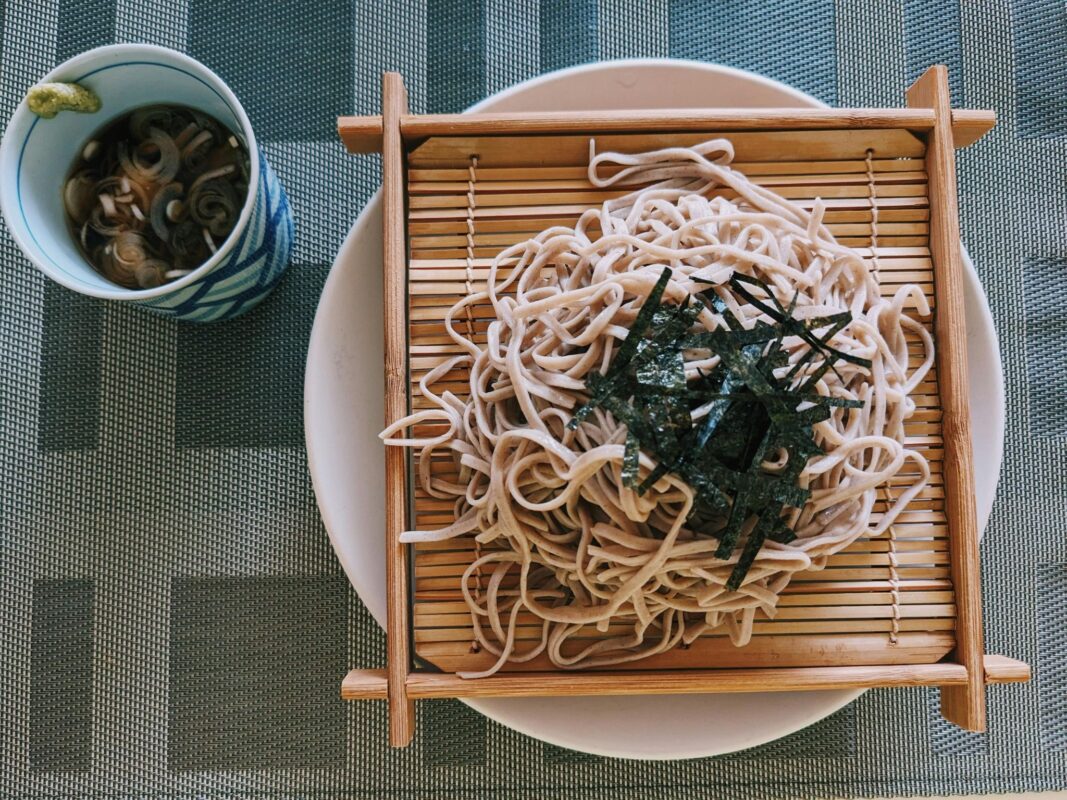
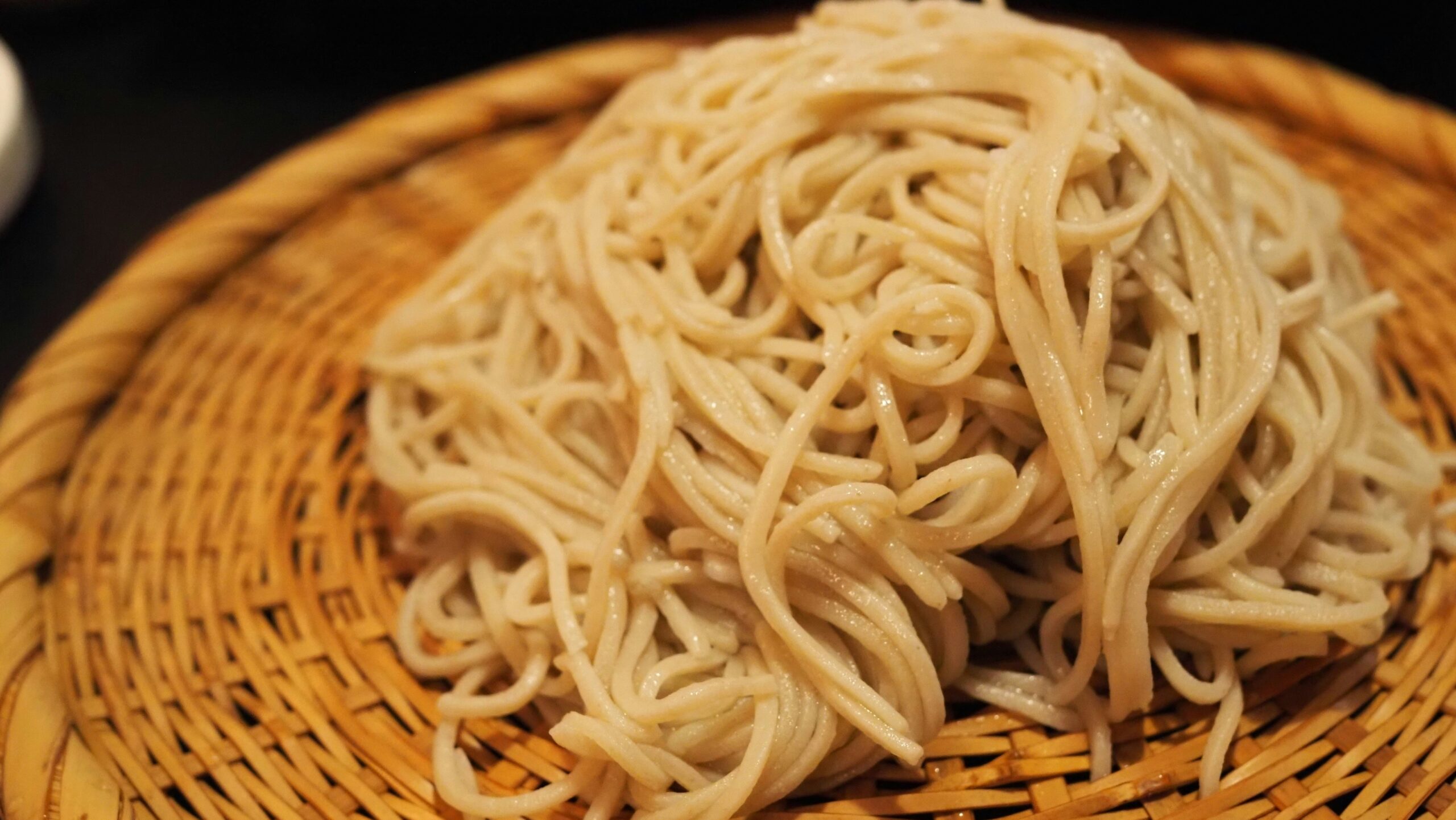
Photo by minami okamoto via Pexels (Soba)
Soba’s made from buckwheat—half the time it’s gluten-free actually. Tastes nutty, almost toasty. Works great cold with dipping sauce on a hot day. But ramen? Ramen is built for battle. It’s designed specifically to sit in heavy, fatty, aggressively hot broth and not fall apart. Different jobs, different noodles.
Are Alkaline Noodles Better for You?
Look, I get why people ask. “Alkaline” sounds like something from a wellness blog. So the question comes up: are alkaline noodles bad for you?
Short answer? No.
Culinary amounts of kansui have been around forever. Centuries. Sodium carbonate and potassium carbonate in food-grade quantities are generally recognized as safe. And yeah—alkaline noodles calories land about where you’d expect. Similar to regular wheat pasta. But here’s something I noticed: some people say they digest them easier. Something about neutralizing stomach acid a little.
Don’t get it twisted though. This is still comfort food. High-carb. Not health food. But not dangerous either.
Final Slurp: Why Kansui Is the Heart of Ramen
Next time you’re at a ramen shop—and I hope you go soon—pay attention to that snap when you bite down. That’s not just good cooking. That’s a chemical reaction between wheat and alkaline salts—potassium carbonate, sodium carbonate, the whole mix—that someone figured out forever ago and we’re all still benefiting from.
Without kansui? It’s just soup with stuff in it.
With it? Honestly? Kind of a masterpiece. Someone did the math on this.
References
- Alkaline Ramen Noodles Recipe via Doobydobap
- Kansui: The Secret of Ramen Noodles via Nanachart Traders
- Yellow Noodles Overview via True Food Fact
- Ramen and Mongolia Discussion via Reddit r/DrStone
- Ramen Noodles Overview via Wikipedia
- Ramen History and Background via Encyclopaedia Britannica
- Mongolian Noodle Soup (Guriltai Shul) via Australian Good Food Guide
- History of Kansui via iChoice Coop
- Kansui and Alkaline Noodle Science via Oriental Yeast Co.
- Ramen Noodle Ingredients: Kansui Explained via Yamato Noodle
- Handmade Ramen Noodles Guide via Kavey Eats
- Effect of Phosphate Salts on Instant Noodles Study via Food Research International
- Effects of Alkaline Salts on Noodle Quality Study via Foods Journal
- Are Alkaline Noodles Safe and Healthy? via Noodle Machine Pro
- Udon vs. Ramen Differences Guide via MasterClass
- Differences Between Udon and Ramen via Sriboga Flour Mill
- Ramen vs. Udon Comparison via Kelly Loves
- Classic Cold Soba Noodles Recipe via Serious Eats
- Okinawa Soba Guide via Myojo USA
- What Are Soba Noodles? Cooking Guide via Forks Over Knives
Image Credits
- Featured Photo by jum.jpeg via Unsplash