
By Candace Santiago
If you’ve ever taken a bite of a stir-fry and felt like you just licked a salt block, you’re not alone. Soy sauce has a reputation for turning good food salty in a flash. But here’s the truth: that’s not the sauce’s fault—it’s how we’re using it.
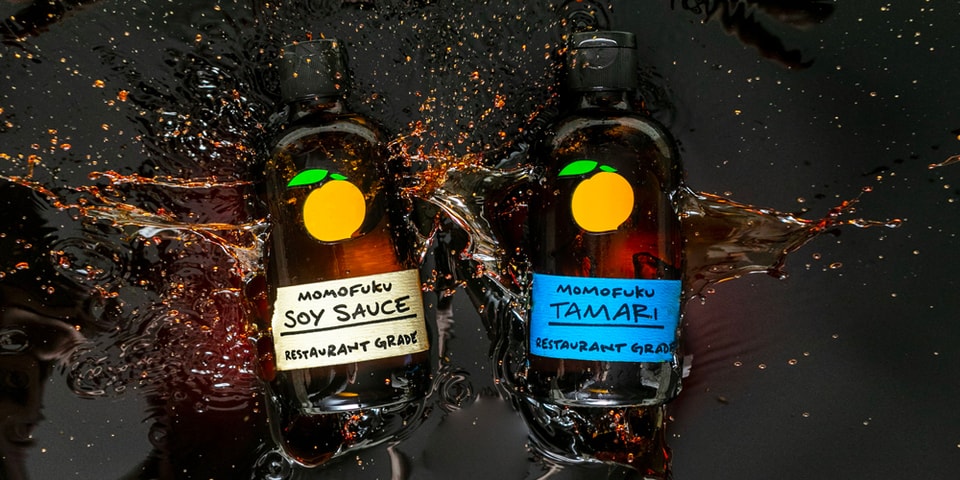
Soy sauce isn’t just salty liquid. It’s fermented, complex, and packed with umami—that deep, savory flavor that makes food craveable. The trick is learning to harness that umami without letting the salt take over. Let’s break down how, using two brilliant tools: MOMOFUKU Soy Sauce and MOMOFUKU Tamari.
Start Here: Stop Thinking of It as “Salt”
This is the mindset shift. When you reach for soy sauce, you shouldn’t be thinking, “I need to make this salty.” You should be thinking, “I want to make this taste deeper and savorier.” The salt is a side effect; the umami is the goal.
Your Control Panel: Two Bottles, Two Jobs
The easiest way to prevent over-salting is to use the right tool for the right task. Having both of these changes the game:
- MOMOFUKU Soy Sauce (Shoyu): This is your cooking engine. It’s balanced, versatile, and designed to blend into dishes as they cook. Use it for marinating, in stir-fry sauces, or adding to a simmering broth.
- MOMOFUKU Tamari: Think of this as your flavor finisher. It’s richer, a bit less salty, and gluten-free. Use it at the end of cooking: a light drizzle over steamed rice, roasted vegetables, or a bowl of noodles to add a final punch of pure umami.
Using them this way—one for building flavor during cooking, one for accenting at the end—gives you pinpoint control over the final taste.
The Chef Moves (That Are Actually Easy)
1. Layer, Don’t Dump.
Never pour a glug of soy sauce in at the end and hope for the best. Add it in small splashes throughout cooking.
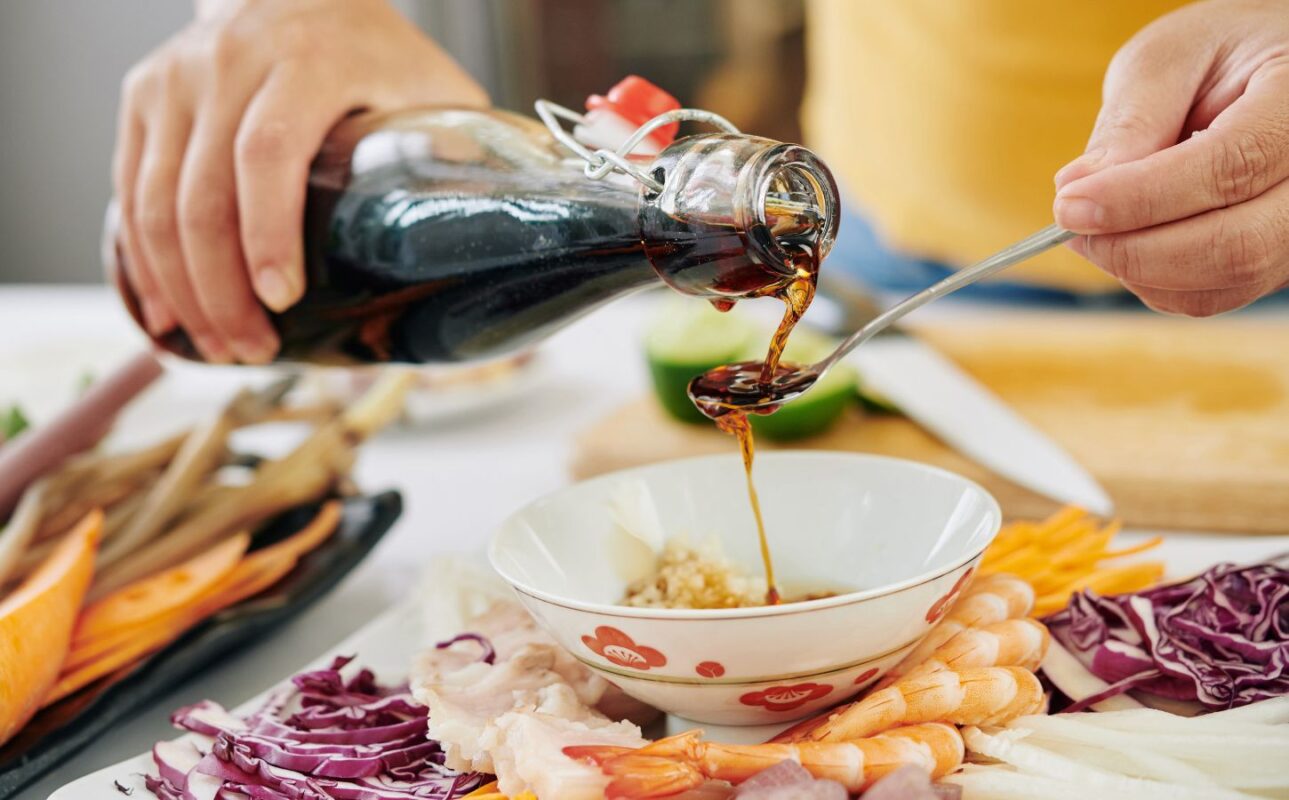
- Example: Making fried rice? A little when you cook the garlic, a bit more when you add the rice, and a final tiny adjustment at the end. This builds flavor from the ground up.
2. Master the Timing.
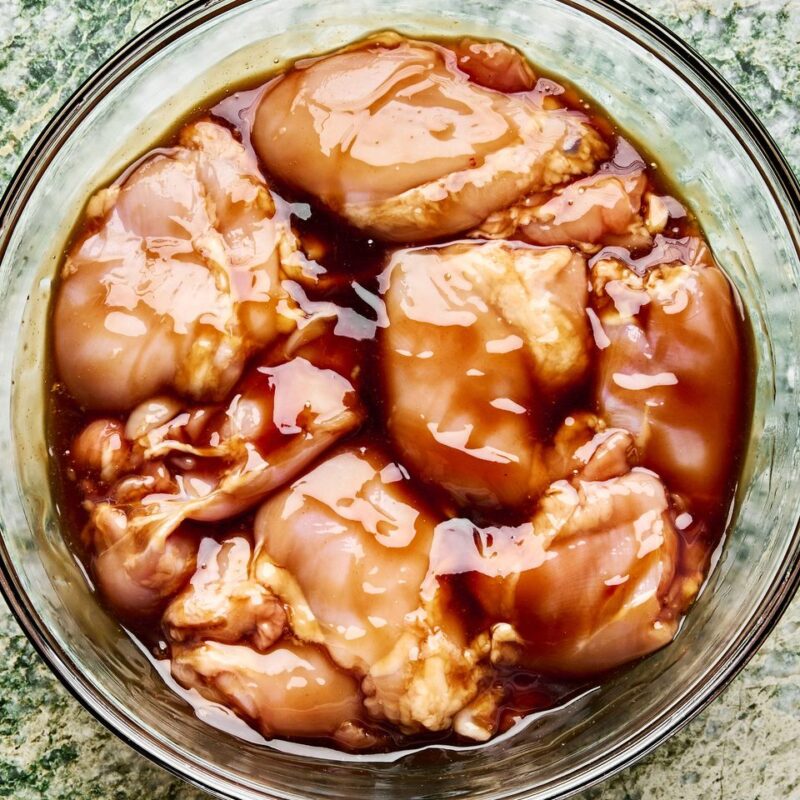
- For Marinades: 30 minutes to 2 hours is the sweet spot. Overnight is overkill and will make your chicken taste like a salt lick.
- For Soups & Braises: Add your MOMOFUKU Soy Sauce in the middle of cooking, not at the start. If you add it early and the liquid reduces, the salt concentrates. Adding it later lets you judge the final flavor.
3. Use the Kombu Shortcut for Free Umami.
Want a pro secret for insane flavor without extra sodium? Grab kombu (dried kelp).
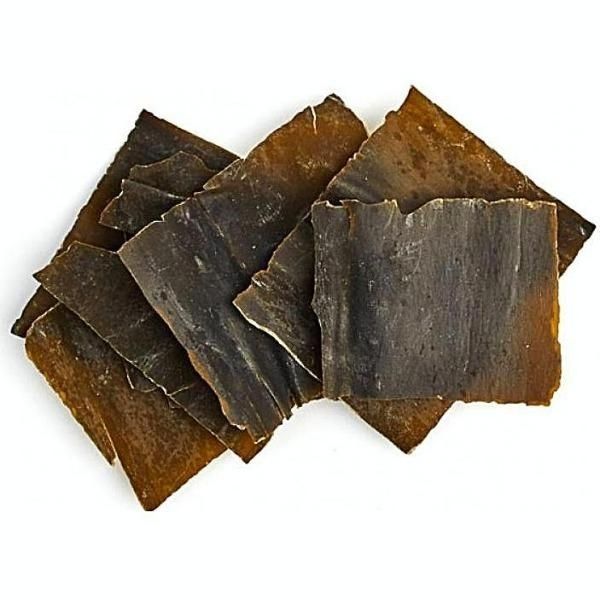
- Do this: Simmer a piece of kombu in water for 10 minutes (don’t boil!). You now have a simple broth called dashi that’s bursting with natural, savory umami.
- Use it: Cook your rice in it. Use it as the base for soup or stew. Because the dashi adds so much depth, you’ll need far less soy sauce to achieve a rich, satisfying flavor. It’s a total loophole.
4. Create a Balance Beam.
Umami loves company. To keep the saltiness in check, make sure it has friends on the plate:
- Add a Touch of Sweet: A tiny pinch of sugar or a drizzle of honey can soften salty edges.
- Add a Splash of Acid: A squeeze of lemon or lime, or a dash of rice vinegar, brightens everything up and cuts through salt.
- Add a Bit of Fat: A swirl of sesame oil or a pat of butter rounds out the flavor, making it feel rich, not just salty.
The Beginner’s Safety Rule
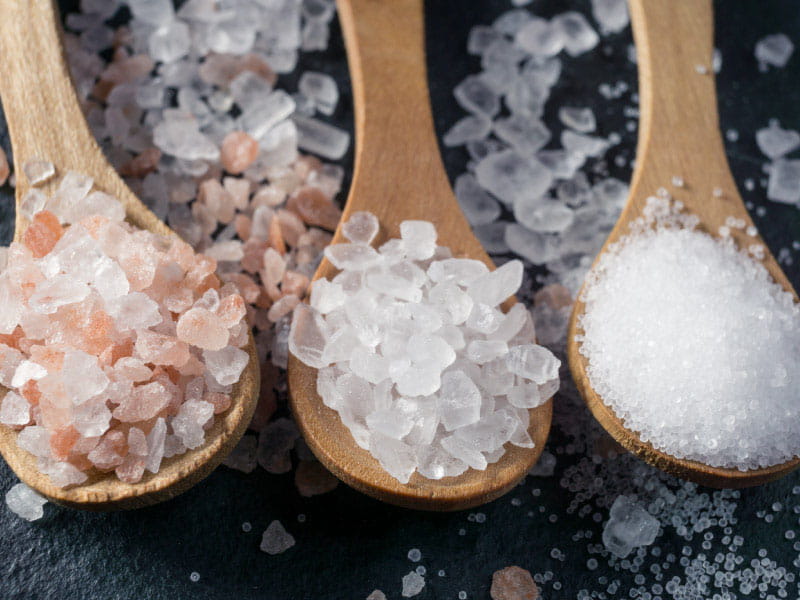
If you’re new to this, follow this one guideline: Hold back on all other salt. Don’t add kosher salt or table salt to your dish until after you’ve added your soy sauce and tasted it. Nine times out of ten, the soy sauce is all the seasoning you need. You can always add a pinch of plain salt at the end, but you can’t take it out.
Okay, But What If It’s Already Too Salty?
It happens. Don’t toss it.
- For Soups & Liquidly Dishes: Add a chopped raw potato or a handful of cooked, unsalted rice. Simmer for 10-15 minutes; they’ll absorb some salt. Fish them out before serving.
- For Everything Else: Add more of the main, unsalted ingredient (extra veggies, tofu, or noodles). A final squeeze of citrus can also help reset your palate.
What You Should Take Away
Soy sauce shouldn’t be a scary ingredient. It’s a powerful tool. The goal isn’t to use less of it—it’s to use it more thoughtfully. By treating it as a source of savory depth, applying it in layers, and balancing it with other tastes, you move from guessing to knowing. Your food will taste intentionally delicious, not accidentally salty.
The right tools make this journey infinitely easier. Having a dedicated cooking sauce and a finishing sauce gives you the control to pull it off every single time.
Ready to cook with confidence and leave oversalting behind? You can find the MOMOFUKU Soy Sauce and Tamari duo here. Choose your tool and start building flavor, not just saltiness.
Disclosure: This post may contain affiliate links. As an Amazon Associate, this page earns from qualifying purchases. If a purchase is made through these links, a small commission may be earned at no extra cost. Ingredients and products featured here are selected because they complement the recipe or dish highlighted in the post.
References: