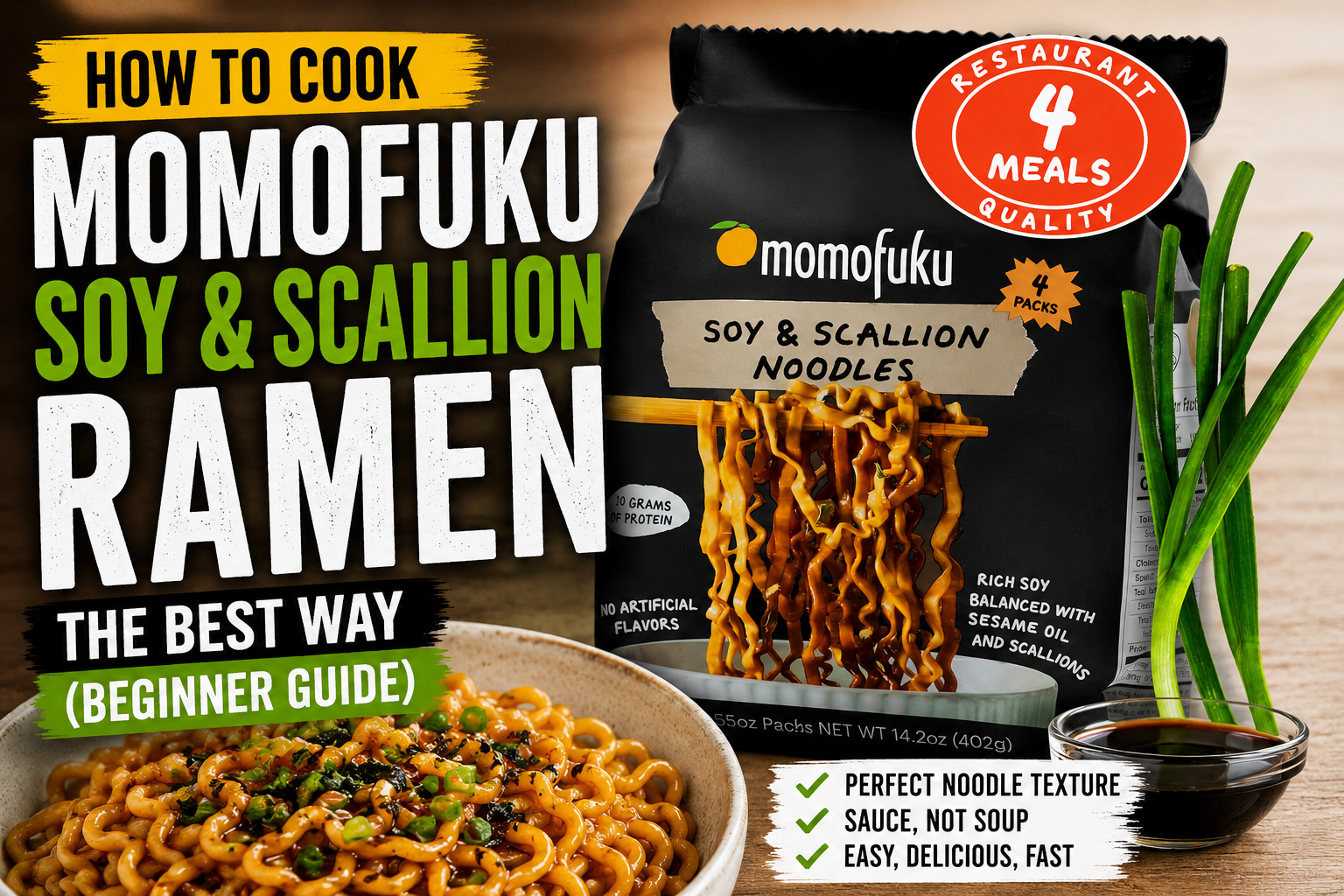
If you’ve never cooked Momofuku Soy & Scallion Ramen, it’s natural to treat it like every other instant noodle. Boil water, throw everything in, stir, eat. That method works—but it doesn’t show you what this ramen is actually built to do.
Why This Ramen Shouldn’t Be Cooked Like Regular Instant Noodles
The first mindset shift is simple but important: this ramen isn’t meant to be soupy. It’s designed around sauce, not broth. Once you understand that, the cooking process stops feeling vague and starts making sense.
Think of It Like Pasta, Not Ramen
Think of it less like instant ramen and more like a quick pasta dish. The noodles are the focus. The sauce is meant to coat them, not float around them.
Steps to cook
Start with a pot of boiling water, enough for the noodles to move freely. You don’t need to measure—just don’t crowd them. Add the noodles and cook until they’re just tender. You want a little resistance when you bite into them. This is where texture is decided. Overcook them, and the sauce won’t cling as well.
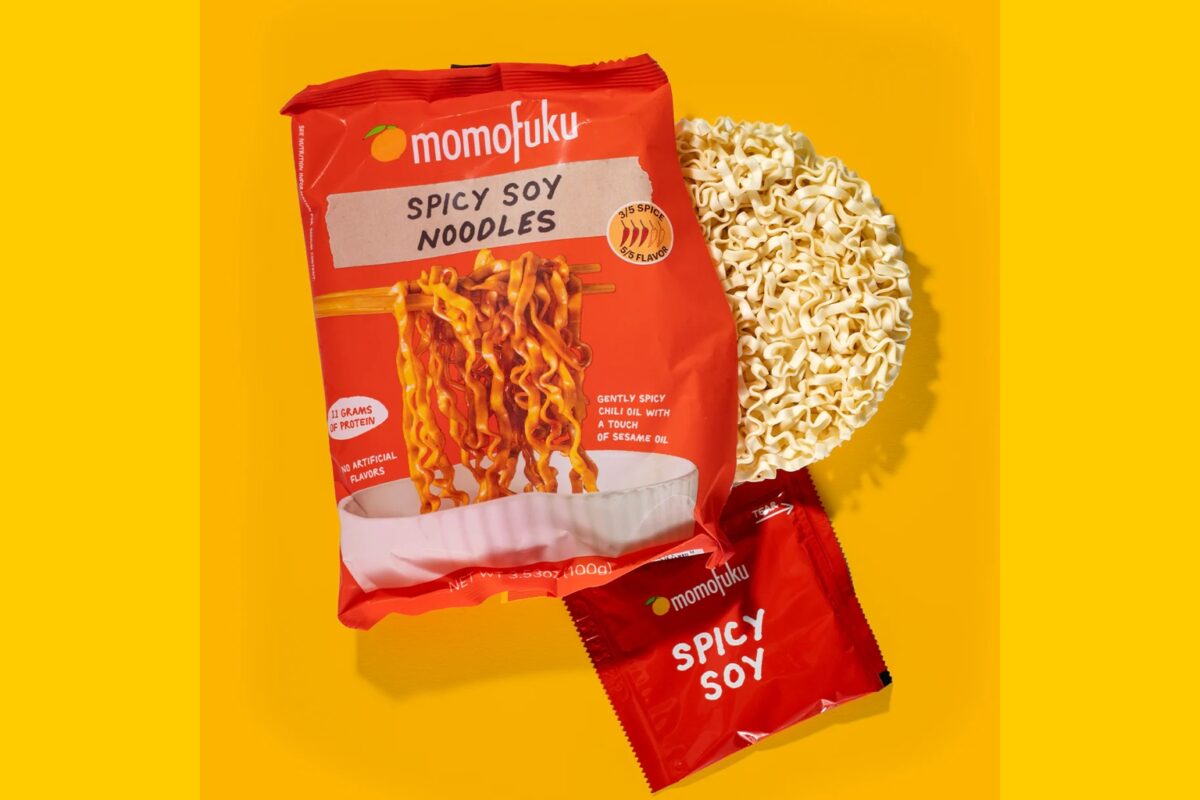
While the noodles cook, open the sauce packets and set them aside. This matters more than it sounds. The sauce is not meant to go into the water. Adding it too early is the most common mistake and the fastest way to mute the flavor.
Once the noodles are done, drain them completely. No rinsing. No extra water left behind. Heat helps the sauce spread evenly, so move quickly while the noodles are still hot. Add the soy and scallion sauces and toss thoroughly. You’ll notice the noodles turn glossy as the sauce coats them—this is the moment where Momofuku separates itself from typical instant ramen.
Simple Add-Ons That Actually Make Sense
At this point, stop and taste. This ramen is intentionally clean and balanced. It doesn’t rely on heavy seasoning powder, which means you don’t need to fix anything. Small additions can enhance it, but nothing is required.
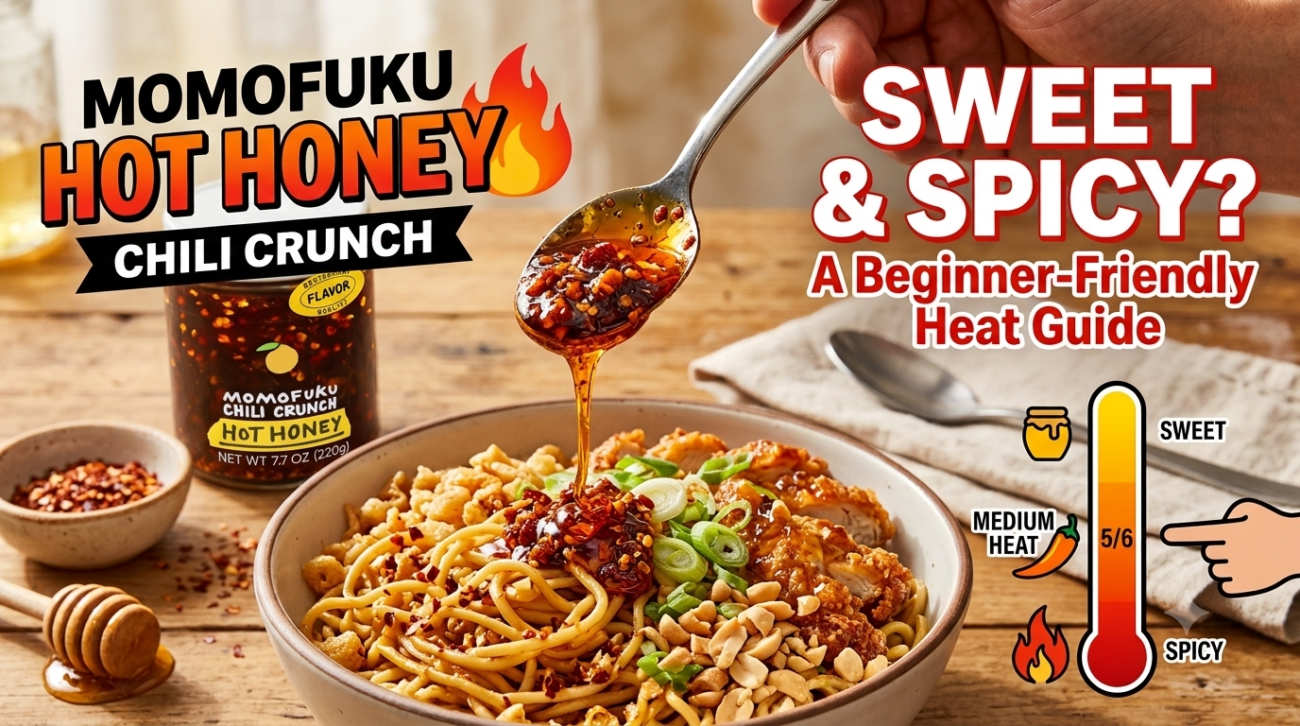
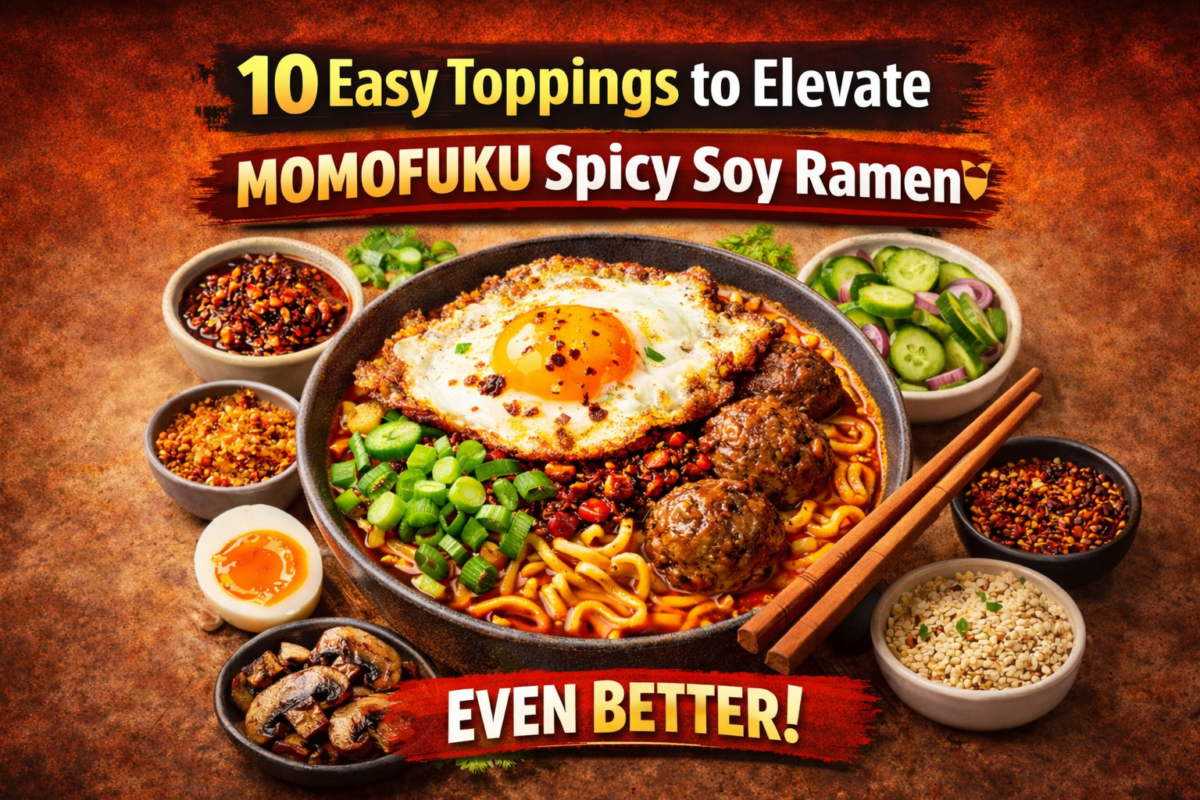
If you want to build on it, start simple. A soft-boiled or fried egg adds richness as the yolk mixes into the sauce. Fresh scallions or greens bring brightness. A small spoon of chili crunch adds texture and depth without overpowering the base. The noodles are sturdy enough to handle these additions without losing their bite.
Final Thought: From Emergency Food to Intentional Meal
Once you cook it this way a few times, it becomes second nature. And that’s when it earns its place in your pantry—not as emergency food, but as something you reach for when you want a fast meal that still feels intentional.
Some of the links on this page are affiliate links, including links to Amazon. This means that at no additional cost to you, I may earn a small commission if you click through and make a purchase. As an Amazon Associate, I earn from qualifying purchases. This helps support the blog and allows me to continue creating helpful content. Thank you for your support!
You can check the current details and pricing here if you want to see it for yourself: https://amzn.to/4s35ue1