
By Candace Santiago
You know that moment when you’re in the middle of cooking, the pan is hot, and you reach for “soy sauce” without really thinking? Same. It’s a reflex. But lately, I’ve been seeing another bottle hanging around—tamari. And I’ll be honest, for the longest time, I wasn’t sure what made them different. I’d pick one up, put it down, and default to the one I knew.
So I did a little digging. And it turns out, the difference isn’t just some foodie nuance—it’s actually pretty straightforward and useful to know, especially if you ever cook for someone who avoids gluten, or if you’re just curious about making your food taste a little more intentional.
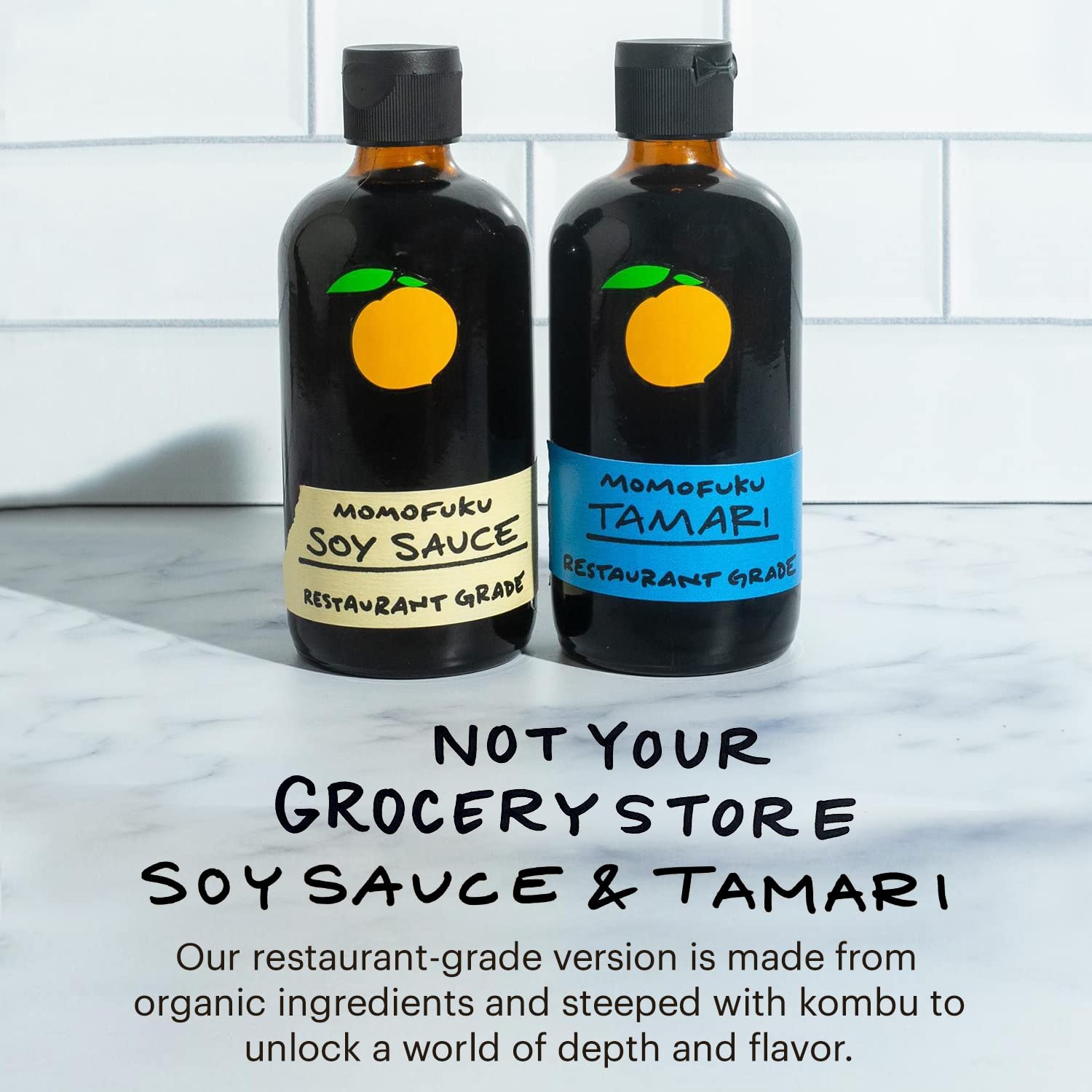
To keep things grounded, let’s talk about two specific bottles: MOMOFUKU Soy Sauce and MOMOFUKU Tamari. They’re made by the same brand, so it’s a clean comparison. This isn’t about declaring a winner. It’s about figuring out which one to use, and when.
The Big, Simple Difference
Here’s what it comes down to: soy sauce is usually made with soybeans and wheat. Tamari is usually made with mostly soybeans, and little to no wheat.
That’s it. That’s the core. The presence (or absence) of wheat changes everything else: the flavor, the thickness, and who can eat it.
What That Actually Means in Your Kitchen
Let’s break this out of theory and into practice.
- Flavor: Because of the wheat, soy sauce tends to have a sharper, more forward saltiness with a kind of fermented, almost tangy edge to it. Tamari, with its focus on soybeans, is often described as richer and more mellow—less “salty bite,” more “deep, savory hug.” It’s umami-forward.
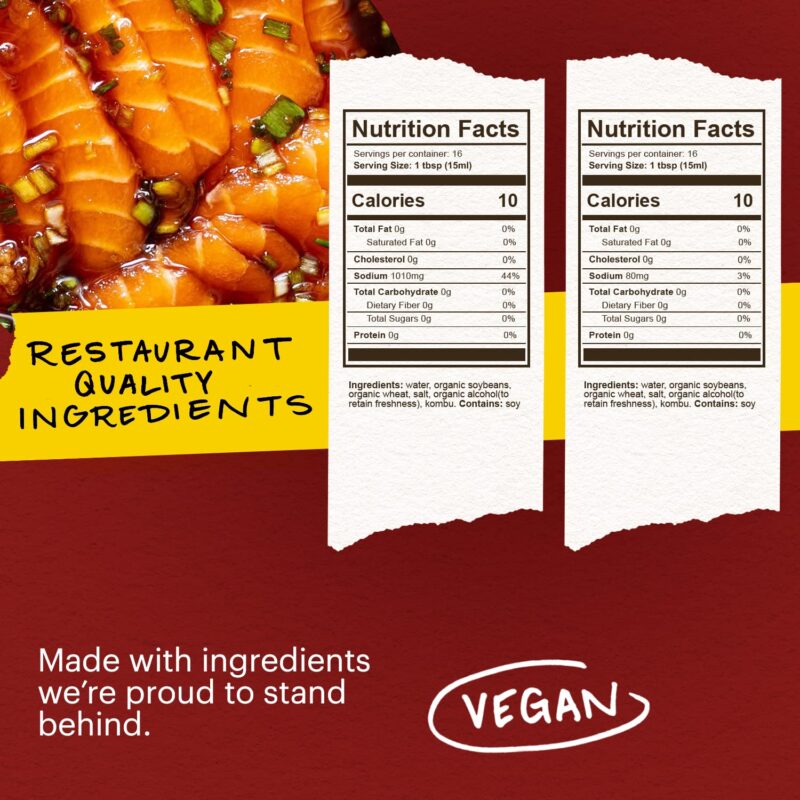
- Texture & Salt Level: Soy sauce is generally thinner and pours easily. Tamari is often a bit thicker and glossier. And because of its different makeup, tamari frequently has less sodium per teaspoon, which is why it can taste less aggressively salty.
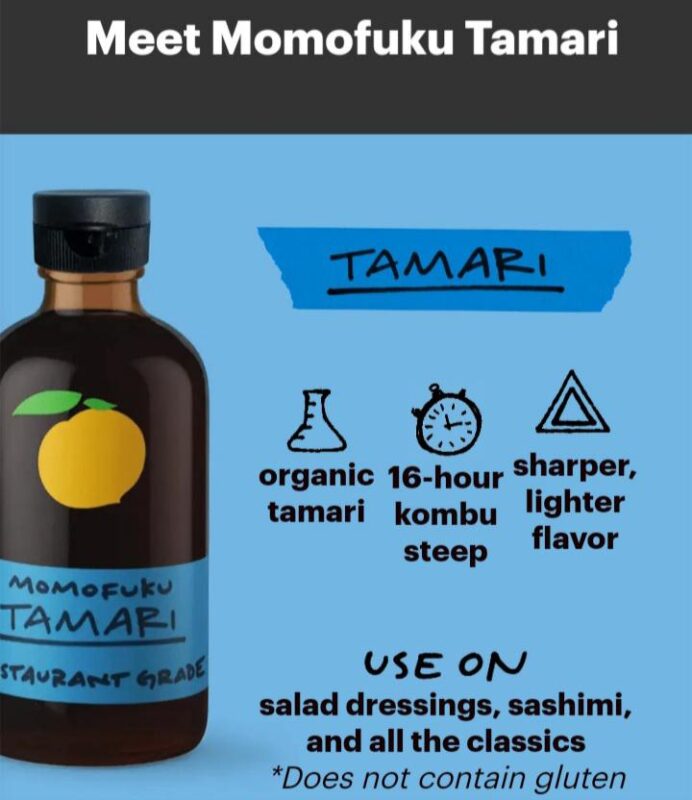
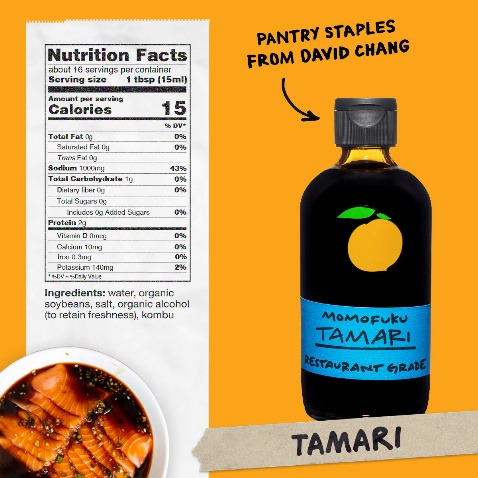
- The Gluten Thing: This is the practical kicker. Regular soy sauce contains gluten. Tamari, in almost all cases, does not. If gluten is a concern in your life or for someone you cook for, tamari is your direct swap-in. (Always check the label, but MOMOFUKU’s tamari is specifically gluten-free.)
Disclosure: This post may contain affiliate links. As an Amazon Associate, this page earns from qualifying purchases. If a purchase is made through these links, a small commission may be earned at no extra cost. Ingredients and products featured here are selected because they complement the recipe or dish highlighted in the post.
So When Do I Use Which?
This is the part that helped me the most. You don’t have to choose one forever. You choose based on what you’re doing.
I’d grab the soy sauce when:
- I’m following any recipe that just says “soy sauce.”
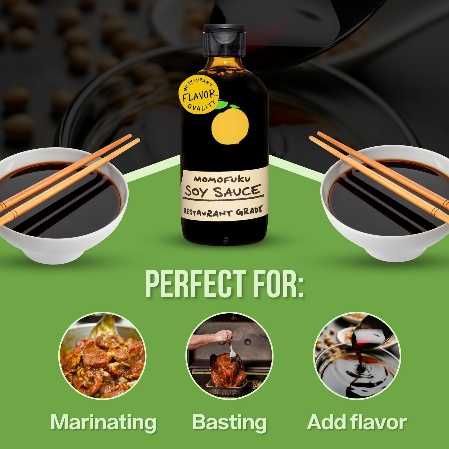
- I’m making a marinade, a stir-fry sauce, or seasoning a soup where I want that classic, bright salty flavor to blend in.
- I want a simple, familiar dipping sauce for dumplings or sushi.
I’d grab the tamari when:
- I’m cooking gluten-free.
- I’m finishing a dish—like drizzling it over roasted Brussels sprouts, grilled salmon, or even avocado toast—where I want a richer, more complex flavor to sit on top.
- I’m making a glaze or a dressing where I want body and deep umami without too much sharpness.
- I’m just curious and want to taste the difference side-by-side in my own kitchen.
A Realistic Take
You don’t need both bottles today. But I can see why someone would want both. The soy sauce is like your everyday utility player—reliable, versatile, and great for building flavor. The tamari is like your specialist—it’s there for dietary needs and for those moments when you want a specific, richer kind of savoriness.
If you’re interested in trying them both to really see (and taste) the difference for yourself, they’re available as a pair. It takes the guesswork out of finding comparable quality versions of each.
Disclosure: This post may contain affiliate links. As an Amazon Associate, this page earns from qualifying purchases. If a purchase is made through these links, a small commission may be earned at no extra cost. Ingredients and products featured here are selected because they complement the recipe or dish highlighted in the post.
You can check out the MOMOFUKU duo here: MOMOFUKU Soy Sauce & Tamari on Amazon.
To Wrap It Up
It’s not about good vs. bad. It’s about two different tools. Soy sauce is your quick, all-purpose salty seasoning. Tamari is your rich, gluten-free, umami-focused alternative. Now, the next time you’re in the aisle or in the middle of cooking, you can pick up the bottle you actually mean to. And that’s a pretty good feeling.